What the latest osteoporosis guidelines mean for your health
and screening needs.
Thin, brittle bones that break easily are a common issue for
adults over 50. According to the International Osteoporosis Foundation,
hundreds of millions of people worldwide live with osteoporosis, often without
knowing it because they have never had their bone strength tested. Poor bone
health leads to millions of fractures globally each year.
Updated international guidance highlights the importance of
building strong bones from childhood and maintaining them throughout life. Key
steps include eating a diet rich in calcium and protein and doing regular
impact exercise. Unfortunately, most adults do not do enough exercise that puts
stress on their bones.
How can I improve my bone health?
Walking, while popular, is a low impact exercise. Examples
of impact exercise include skipping and jumping. An alternative to impact
exercise is strength training with weights. This should be performed at least
twice a week, and it is important to gradually increase the weight you are lifting
in order to stimulate the growth of new bone. If you have been diagnosed with
osteopenia or osteoporosis, seek guidance from a qualified health professional
on safe exercises. This should include balance training to help reduce the risk
of falls and fractures.
How is bone strength tested?
Bone strength is measured by a bone density scan arranged by
your GP. This scan is also referred to as DEXA scan, bone density scan or bone
mineral density scan. The scan takes 10-15 mins to measure the thickness of
your hip and spine. It is a painless procedure and you remain fully clothed
during the test. There is a very small amount of radiation involved but much
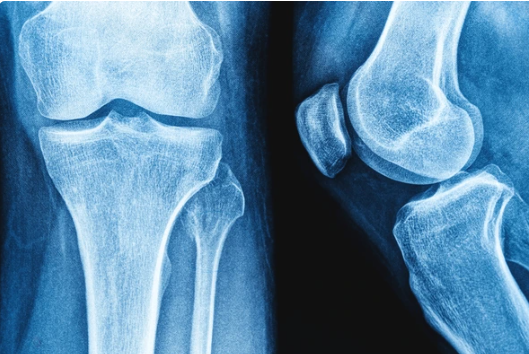
less than a standard x-ray.
Who should have a bone density test?
International recommendations suggest testing for people
over 50 who are at higher risk, including:
- Anyone who breaks a bone after minimal trauma
- Post menopausal women
- People with coeliac disease, rheumatoid arthritis or
diabetes
- Smokers
- People on certain medications including steroids
Although these guidelines focus on those over 50, some
younger people may also benefit from testing. At your next health check, ask whether
a bone density scan is right for you and explore other ways to keep your bones
strong. Many countries offer online bone health assessments. Check with your
local resources and review the results with your doctor.