Helping kids (and yourself) ease back into structure
The end of a holiday often brings mixed emotions – fond
memories of relaxation paired with the looming reality of returning to
structured routines. Whether it is school or work, the transition back can feel
overwhelming because holidays disrupt habits, sleep patterns, and daily
rhythms. Fortunately, research offers practical strategies to make this shift
smoother and less stressful.
Why is it hard to readjust?
Holidays often involve irregular sleep, altered eating
habits, and increased leisure activities. These changes affect circadian
rhythms and cortisol regulation, making it harder to maintain energy and focus
when returning to structured environments. Motivation also dips because the
brain’s reward system adapts to novelty during holidays, and returning to
familiar tasks feels less stimulating.
As adults, we can usually understand what is happening and
adjust our expectations – we know routines will return and that temporary
fatigue or low motivation is normal. But children do not have this same level
of insight or self-regulation. For children, returning to school after a long
holiday can feel challenging because holidays disrupt established habits, sleep
patterns, and daily structures. Psychological research shows that routines
provide predictability, reduce stress, and support mental and physical
well-being. When these routines are interrupted, it can take time and
intentional effort to re-establish them.
Common childhood behaviours during readjustment
- Crankiness or Irritability
Children may feel tired and frustrated as they adjust to
earlier wake-ups and structured days.
- Clinginess or Separation Anxiety
After spending more time with family during holidays, some
kids may resist going back to school.
- Meltdowns or Emotional Outbursts
Overstimulation during holidays and sudden routine changes
can lead to tantrums or crying spells.
Some children may become quieter or avoid social interaction
as they process the transition.
- Physical Complaints (e.g.
stomach-aches)
Anxiety about returning to school can show up as somatic
symptoms.
- Difficulty Sleeping or Increased
Fatigue
Disrupted sleep patterns during holidays often linger,
making mornings harder.
Tips to help children re-establish routine
1. Gradually Reset Sleep Schedules
Start moving bedtime earlier by 10-20 minutes each night
about a week before school resumes. This gradual shift helps avoid meltdowns
and supports better focus when school starts.
2. Reintroduce Morning and Evening Routines
Create a simple checklist for mornings (e.g. brush teeth,
get dressed, eat breakfast) and evenings (homework, dinner, wind-down). Visual
schedules with pictures or stickers work well for younger kids.
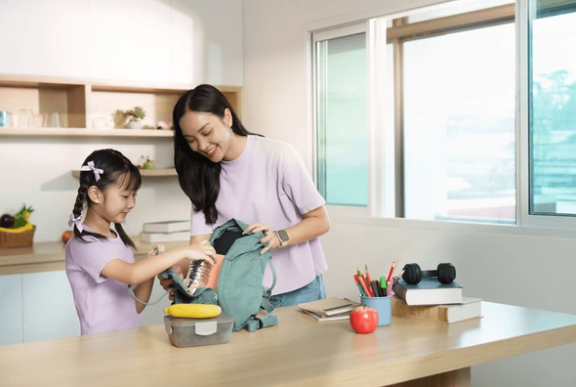
3. Organize School Materials Together
Clean out backpacks, sharpen pencils, and set up a
designated workspace. This helps children feel prepared and reduces first-day
stress.
4. Use a Countdown or Calendar
Mark the return-to-school date on a calendar or create a
paper chain countdown. This helps kids mentally prepare and reduces anxiety
about sudden changes.
5. Plan Positive Achor
Schedule something fun after school or on the weekend (e.g.
a family movie night or playdate) so kids have something to look forward to
beyond school.
6. Ease Into Academic Demands
Do not overload children with homework or extracurriculars
immediately. Start with lighter tasks and gradually increase expectations.
7. Talk About Feelings and Expectations
Ask what they are excited about and what worries them.
Validating emotions helps reduce anxiety and resistance.
Getting back into a routine after a holiday is not about
instant perfection – it is about gradual, intentional steps that restore
balance and predictability. By focusing on small wins, healthy habits, and
positive anchors, you can ease the transition for both yourself and your child.
Remember, adjustment takes time, so be patient and kind to yourself as you
re-establish your rhythm.