Amara slumped at her desk, feeling the
all-too-familiar afternoon fatigue set in despite the company's new
"wellness initiative"—another meditation app subscription that she'd
never open. "Maybe corporate wellness programs are just fancy facades,"
she thought, closing her fourth consecutive meeting invite.
Sound familiar? Many of us have
experienced disappointing wellness programs that promise transformation but
deliver little more than temporary enthusiasm. By 2026, however, the landscape
has shifted dramatically.
Why Most Wellness Programs Fail
Traditional wellness programs often fall
short for a simple reason: they're designed as one-size-fits-all solutions to
deeply personal health journeys. Companies have historically approached
wellness as a checkbox rather than as a cultural cornerstone."
Recent studies suggest that programs
focused solely on physical metrics like weight or step counts miss the more
complex dimensions of employee wellbeing. Industry experts indicate that
successful programs now embrace a more holistic approach.
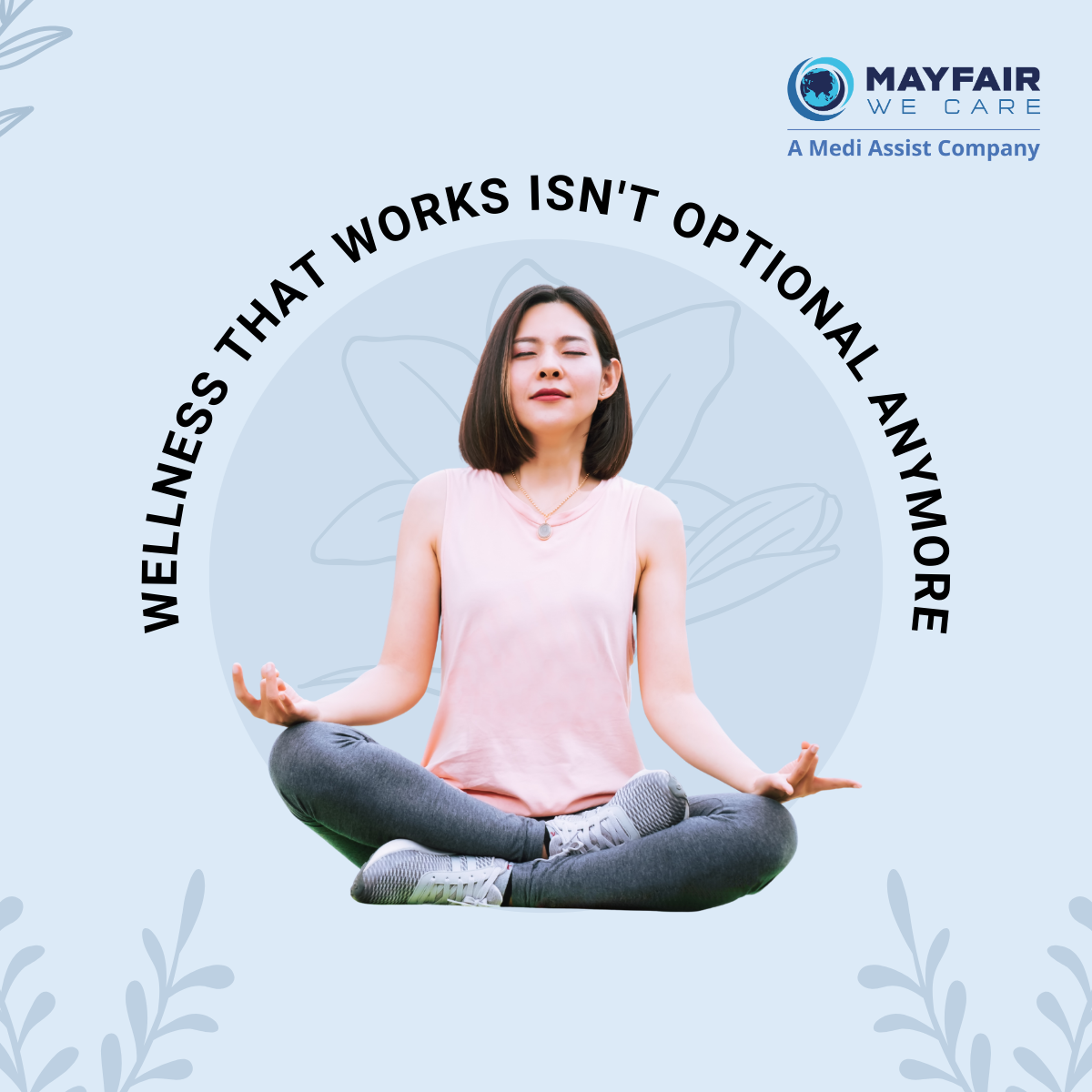
The
Integration Revolution
The most effective wellness programs of
2026 seamlessly blend into daily work rather than existing as separate
initiatives. This integration approach transforms wellness from an additional
task into an inherent part of how work happens.
Successful organizations are redesigning
their meeting structures to include brief movement breaks, creating
collaborative spaces that accommodate different working postures, and training
managers to recognize early signs of burnout before they reach crisis points.
Rather than treating wellness as something employees pursue outside work hours,
these companies are embedding supportive practices directly into their
operational rhythms and workplace design.
Personalization: Beyond Surface-Level Options
Wellness programs showing measurable
success share one critical feature: meaningful personalization.
The breakthrough in workplace wellness
has come from treating employees as individuals with unique wellness profiles,
rather than as demographic categories. Current technology enables personalized
recommendations that adapt based on engagement patterns, preferences, and
outcomes.
Effective programs offer various entry
points for wellness engagement—whether someone is managing a chronic condition,
seeking preventive care, or working toward specific fitness goals. This
individualized approach recognizes that one-size-fits-all solutions rarely
produce lasting results.
The Mental Health Imperative
The most substantial shift in successful
wellness programs has been the elevation of mental health from afterthought to
centerpiece.
"The artificial separation between
physical and mental wellness has finally dissolved," notes Dr. Aisha, a
workplace wellbeing researcher. "Organizations seeing the greatest impact
have comprehensive mental health supports that range from clinical care access
to everyday stress management tools."
The science behind this integration is
compelling. Research consistently suggests that mental and physical health are
intrinsically connected, with improvements in one area often catalyzing
positive changes in the other.
Technology as Enabler, Not Solution
While technology platforms enable
sophisticated wellness programs, the most successful initiatives use tech as a
means rather than an end.
The best wellness technology fades into
the background. It should remove barriers to wellbeing rather than creating
another digital obligation.
Building Your Evidence-Based Wellness Program
To create a wellness program that
genuinely works:
- Start with
listening sessions to understand your specific population's needs
- Design for
integration into workflow rather than as separate activities
- Prioritize mental
wellbeing alongside physical health
- Create multiple
engagement pathways for different preferences
- Measure meaningful outcomes beyond simple
participation rates
The wellness programs showing lasting
impact aren't flashy quick fixes but thoughtful systems designed to meet people
where they are while gently guiding them toward better health practices.
Remember what Amara discovered after her
company redesigned their approach: "When wellness feels like it's for me
rather than being done to me, that's when everything changed."